Xinjiang Travel Guide – Best Places, Attractions, Food, Tips & More
With an area of 1.6649 million square kilometers, Xinjiang accounts for about one-sixth of China’s total territory, making it the largest provincial region in the country. Located in the far northwestern border region of China, it is the province with the longest land border and most neighboring countries in China, sharing borders with Russia, Kazakhstan, Kyrgyzstan, Tajikistan, Pakistan, Mongolia, India, and Afghanistan.
You’ll never run out of things to do while taking a Xinjiang tour. From breathtaking landscapes to diverse ethnic cultures and multiple ruins and ancient cities from the ancient Silk Road periods, the vast land is eccentric and endlessly intriguing.
The region has a unique “three mountains flanking two basins” geography, which is interspersed with vast deserts, grasslands, mysterious high-altitude lakes, basins and towering snow-capped mountains.
Plus, Xinjiang is home to the Han, Uyghur, Kazakh, Mongol, and many other ethnic groups. They preserve their unique folk festivals, song and dance performances, clothing, delicious cuisine, and exquisite handicrafts, offering visitors a vibrant and colorful cultural tapestry.
Located at the heart of the Eurasian continent, many cities and regions in Xinjiang were once vital crossroads along the ancient Silk Road. Countless grottoes, temples, ruins, and ancient cities are still well-preserved on this vast land, making Xinjiang a popular destination for China Silk Road Tours.
Below, you’ll find our ultimate Xinjiang Travel Guide, with best places and attractions, top things to do, foods to eat, accommodation, and more essential travel tips.
You’ll never run out of things to do while taking a Xinjiang tour. From breathtaking landscapes to diverse ethnic cultures and multiple ruins and ancient cities from the ancient Silk Road periods, the vast land is eccentric and endlessly intriguing.
The region has a unique “three mountains flanking two basins” geography, which is interspersed with vast deserts, grasslands, mysterious high-altitude lakes, basins and towering snow-capped mountains.
Plus, Xinjiang is home to the Han, Uyghur, Kazakh, Mongol, and many other ethnic groups. They preserve their unique folk festivals, song and dance performances, clothing, delicious cuisine, and exquisite handicrafts, offering visitors a vibrant and colorful cultural tapestry.
Located at the heart of the Eurasian continent, many cities and regions in Xinjiang were once vital crossroads along the ancient Silk Road. Countless grottoes, temples, ruins, and ancient cities are still well-preserved on this vast land, making Xinjiang a popular destination for China Silk Road Tours.
Below, you’ll find our ultimate Xinjiang Travel Guide, with best places and attractions, top things to do, foods to eat, accommodation, and more essential travel tips.

Chinese Name: 新疆
(Xīnjiāng)
Where is Xinjiang: In the northwest of China, in the heart of the Eurasian continent.
Population: 25.98 million in 2023
Area: 1.6649 million square kilometers
Main Minority Ethnic Groups: Uyghur, Kazakh, Hui, Kyrgyz, Mongol, Tajik, etc.
(Xīnjiāng)
Where is Xinjiang: In the northwest of China, in the heart of the Eurasian continent.
Population: 25.98 million in 2023
Area: 1.6649 million square kilometers
Main Minority Ethnic Groups: Uyghur, Kazakh, Hui, Kyrgyz, Mongol, Tajik, etc.
Best Places to Visit in Xinjiang
Based on geographical, climate, and cultural differences, Xinjiang is commonly divided into Southern Xinjiang and Northern Xinjiang, with the Tianshan Mountain Range as the demarcation line. Northern Xinjiang stands out for its captivating natural landscapes of grasslands, forests, plateau lakes, and snow-capped mountains. In contrast, Southern Xinjiang is more abundant in historical relics, rugged natural landscapes, and immersive ethnic cultural experiences. You can travel to both Southern and Northern Xinjiang or choose one part based on your time and preferences.
Popular Destinations in Northern Xinjiang
- Urumqi: Gateway for a Xinjiang tour; features a mix of modernity and traditional ethnic culture; main attractions include the Heavenly Lake, Xinjiang International Grand Bazaar
- Altai Region: Kanas Lake. Hemu Village, Keketuohai Geopark, and Wucai Beach
- Ili Kazakh Autonomous Prefecture: Nalati Grassland, Sayram Lake, Kalajun Grassland, Guozigou Bridge, etc.
Top Places in Southern Xinjiang
- Kashgar: Kashgar Old Town, Id Kah Mosque
- Hotan: Breathtaking landscape and thrilling activities at the Taklamakan Desert
- Aksu Region: Kizil Caves, Kuche Ancient City, Tianshan Mysterious Grand Canyon, Ancient City of Subash, Kuqa Temple
- Around the Tarim Basin: Taklamakan Desert, Tarim River
- Bayingolin Mongol Autonomous Prefecture: Luntai Poplar Forest in autumn, Ruins of Loulan
- Turpan: Mazha Village in Tuyugou Valley, Flaming Mountain, Jiaohe Ruins, Grape Valley, etc.
- Tashkurgan: Pamir Plateau scenery, ruins of Stone City, Golden Grassland, etc.
Top Xinjiang Tourist Attractions
From majestic alpine lakes to vast deserts and rugged plateaus, as well as ancient Silk Road relics and vibrant ethnic villages, Xinjiang’s attractions will delight all those who visit it. Given the sheer scale and diversity of Xinjiang, it is hard to cover all its highlights. Below are some top attractions for first-time visitors to look into its best cultural, historical, and natural highlights.
Note that many scenic spots are scattered across the region, requiring long driving hours to reach. But the changing sceneries along the way are just the best enjoyment of a Xinjiang trip.
Note that many scenic spots are scattered across the region, requiring long driving hours to reach. But the changing sceneries along the way are just the best enjoyment of a Xinjiang trip.

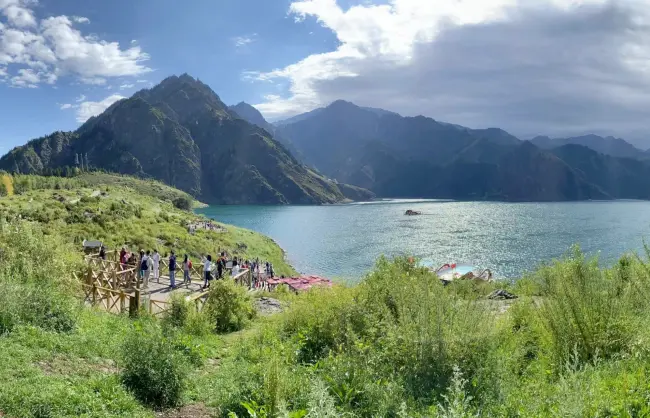
Heavenly Lake of Tianshan MountainThis high-altitude lake is known for its crystal-clear waters and reflections of surrounding snow-capped mountains. It is a popular summer retreat for hiking and boating.
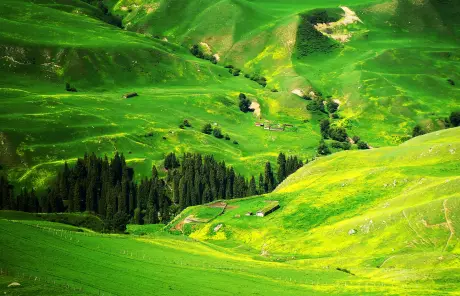
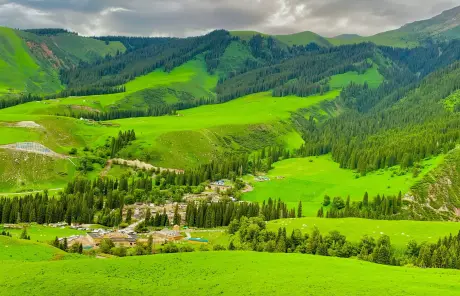
Naraty GrasslandOne of China’s four major grasslands, Naraty Grassland is often referred to as the “Sky Grassland.” It offers a deep dive into Kazakh traditions and nomadic culture. June to September is the best time to witness its lush beauty.
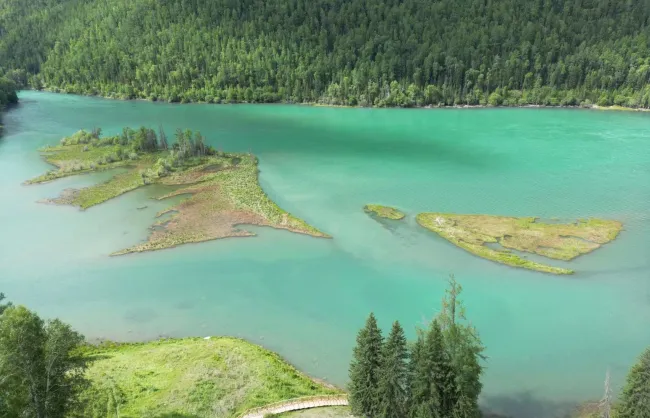
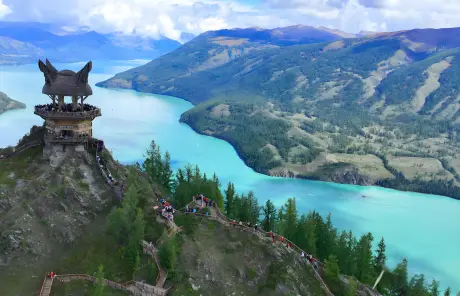
Kanas Nature Reservation ParkWith the mysterious Kanas Lake as its core attraction, the reserve integrates glaciers, lakes, forests, grasslands, pastures, rivers, and ethnic customs. A lake monster is said inhabited in the lake.
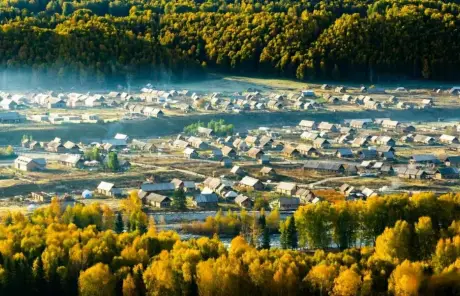
Hemu VillageNestled beside Kanas Lake, Hemu Village is a Tuva ethnic settlement, featuring a picturesque setting by the mountains and water. A great place to experience the Tuva people’s lifestyle and culture.
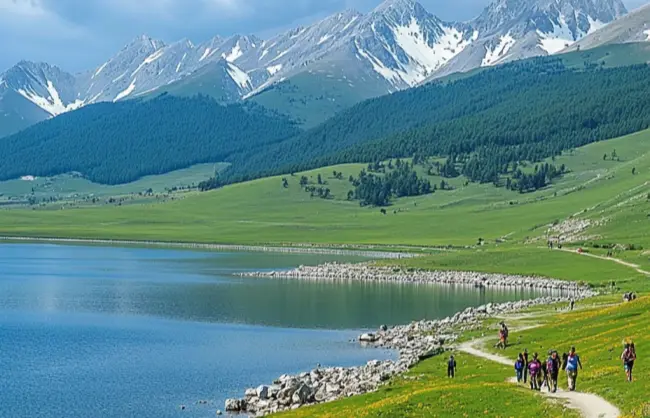
Sayram LakeOften referred to as the “Last Drop of the Atlantic,” Sayram Lake is the highest and largest alpine lake in Xinjiang. The lake features transparent waters, and picturesque surrounding views, making it an ideal place for camping and cycling.
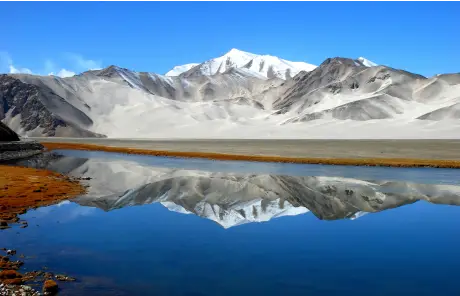
Karakul LakeNestled in the Pamir Plateau, Karakul Lake highlights striking blue waters setting against the backdrop of Muztagh Ata Peak. It is a popular place for photography and experiencing local pastoral life.

Poplar ForestMainly spreading across the Tarim River basin, the Poplar Forest in Xinjiang is one of the largest of its kind in the world. The most famous Poplar Forests include Luntai Poplar Forest Park, Mulei Poplar Forest, and Jinta Poplar Forest. They offer a breathtaking sight when the leaves turn golden in October.
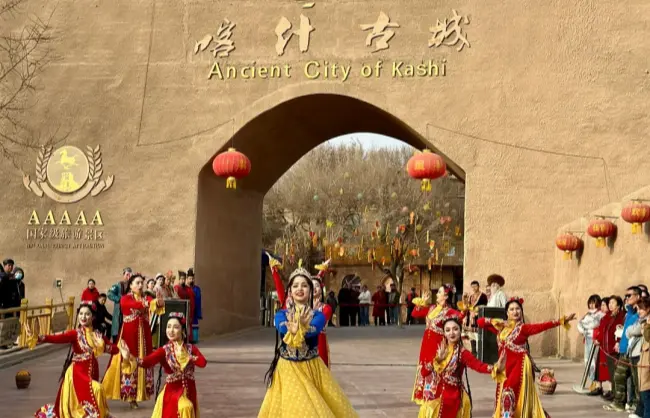
Kashgar Old TownA great place to experience the rich history and unique ethnic traditions of the Uyghur people, Kashgar Old Town is home to traditional Uyghur dwellings, and numerous ancient landmarks and cultural sites.
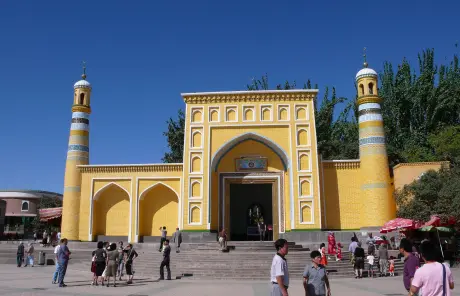
Id Kah Mosque The Id Kah Mosque is one of the largest mosques in China, featuring magnificent architecture and intricate decoration. It is an important center for learning about Uyghur’s religious culture and practices.
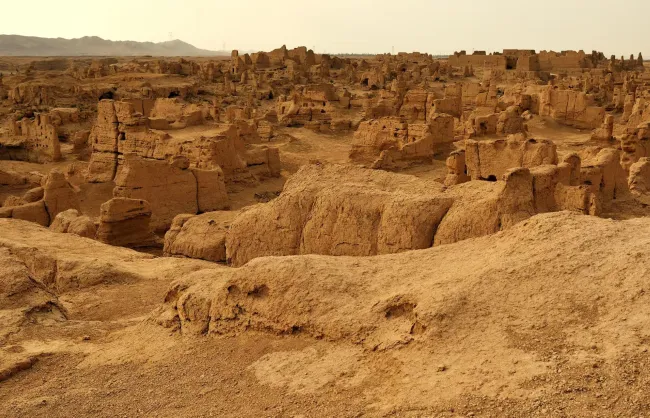
Jiaohe RuinsLocated in Turpan, Jiaohe Ancient City was once the capital of the ancient kingdom of Cheshi. It is one of the oldest and best-preserved earthen city ruins, offering a glimpse into architectural styles and ancient civilization of the Western Regions.
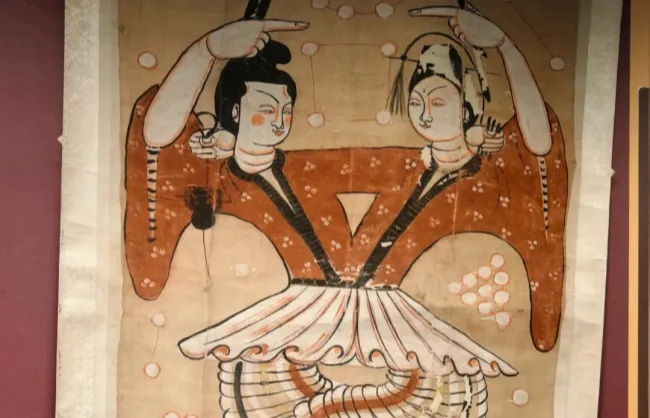
Xinjiang Regional MuseumLocated in Urumqi city center, the museum is an excellent place to explore the diverse history and culture of Xinjiang. Treasured collections you can expect in the museum include textiles, paper documents, painted clay sculptures, wood carvings, and ancient mummies.
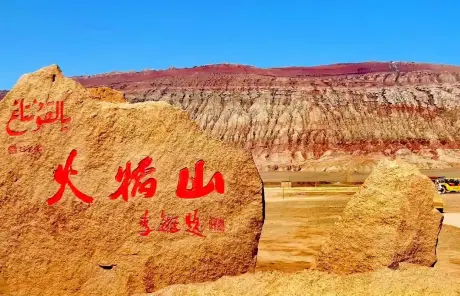
Flaming MountainA landmark of Turpan, Flaming Mountains shows a fiery appearance due to its fiery red rocks. During the summer, the highest temperature here can reach an astonishing 47.8°C, with the surface temperature soaring up to 89°C.

Kumtag DesertLocated near Turpan, the Kumtag Desert attracts numerous visitors with its unique dune landscapes. Adventure enthusiasts will love the thrilling off-road exploration and sand activities here.
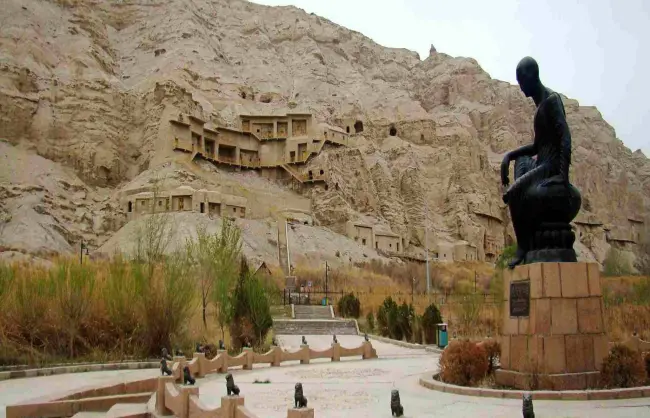
Kizil CavesOne of the oldest and largest Buddhist caves in China, Kizil Caves is known for its exquisite Buddhist murals and sculptures. It is where you can look into the artistic achievements of the ancient Kucha Kingdom and the cultural exchange along the ancient Silk Road.
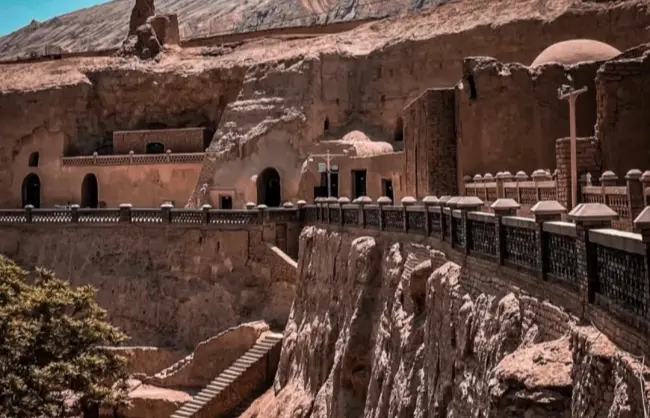
Bezeklik Thousand Buddha CavesWith a smaller scale than the Kizil Caves, Bezeklik Caves is located in Turpan, with 57 caves remaining today. The murals and sculptures here were carved and developed from the late Northern and Southern Dynasties to the Yuan Dynasties, serving the Buddhist center of the Gaochang region.
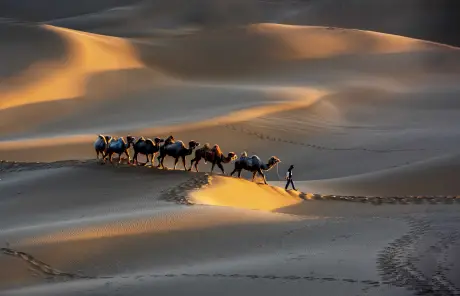
Taklamakan Desert The largest desert in China and the second-largest in the world, the Taklamakan Desert offers stunning desert views and many exciting desert activities, including off-road adventures, hiking, and exploration of its vast, ever-changing sand dunes.
Weather in Xinjiang & Best Time to Visit
Far from the ocean and surrounded by high mountains, Xinjiang is characterized by a temperate continental arid climate. This weather pattern features scarce rainfall, high evaporation rates, dry air, and a large diurnal temperature range. Due to the vast north-south span, complex terrain, and altitude diversity of the region, the region ranks as one of the most climatically diverse regions in China. Different areas in Xinjiang may experience drastically different weather in the same season and month.
Best Time to Visit Northern Xinjiang
The best time to visit Northern Xinjiang is from May to September. This period brings comfortable weather and stunning landscapes. May to June is the time to admire apricot blossoms and wildflowers in the Ili River Valley. From July to August, Kanas, Hemu Village, and the grasslands of Naraty and Bayanbulak offer a refreshing escape from the summer heat. Mid-September to early October is the peak time to witness the breathtaking autumn colors of Kanas.
Winter months from December to February are also great times for Northern Xinjiang, with the Altai region offering unforgettable skiing experiences.
Best Time to Visit Southern Xinjiang
Generally, Southern Xinjiang is a year-round destination. But, July to October is more preferred given the relatively comfortable temperatures. In March, the Pamir Plateau is decorated with vast expanses of apricot blossoms. From July to October, you can expect to delight your taste buds with an abundance of local fresh fruits. In October, the poplar forests around the Tarim River basin will embrace autumn visitors with their striking golden leaves, offering a mesmerizing view that complements the region’s desert landscapes.
Best Time to Visit Northern Xinjiang
The best time to visit Northern Xinjiang is from May to September. This period brings comfortable weather and stunning landscapes. May to June is the time to admire apricot blossoms and wildflowers in the Ili River Valley. From July to August, Kanas, Hemu Village, and the grasslands of Naraty and Bayanbulak offer a refreshing escape from the summer heat. Mid-September to early October is the peak time to witness the breathtaking autumn colors of Kanas.
Winter months from December to February are also great times for Northern Xinjiang, with the Altai region offering unforgettable skiing experiences.
Best Time to Visit Southern Xinjiang
Generally, Southern Xinjiang is a year-round destination. But, July to October is more preferred given the relatively comfortable temperatures. In March, the Pamir Plateau is decorated with vast expanses of apricot blossoms. From July to October, you can expect to delight your taste buds with an abundance of local fresh fruits. In October, the poplar forests around the Tarim River basin will embrace autumn visitors with their striking golden leaves, offering a mesmerizing view that complements the region’s desert landscapes.
Accommodation in Xinjiang
Most cities in Xinjiang offer a wide range of accommodation options, from star-rated hotels to budget-friendly hotels and homestays. It is advisable to verify whether the hotel is qualified to accept foreign visitors.
Usually, most city centers offer more accommodation options and have well-developed facilities. However, when visiting certain remote attractions, accommodation choices may be more limited but offer a unique local experience:
In Kashgar, local-featured guesthouses in the old city are recommended. These guesthouses are not only conveniently located near the main sights but also provide an immersive experience of local culture and life.
In Kanas Scenic Area, you can stay in Hemu Village to experience the unique wooden houses of the Tuva people. Alternatively, Jiadengyu, which is several kilometers away from the scenic area, offers more affordable and varied accommodation options.
When visiting Sayram Lake, traditional yurts and resort hotels by the lake are great options for those looking to enjoy the picturesque lake and mountain views. Or, you can head to nearby Bole City or Wenquan County, where you’ll find more accommodation options.
Usually, most city centers offer more accommodation options and have well-developed facilities. However, when visiting certain remote attractions, accommodation choices may be more limited but offer a unique local experience:
In Kashgar, local-featured guesthouses in the old city are recommended. These guesthouses are not only conveniently located near the main sights but also provide an immersive experience of local culture and life.
In Kanas Scenic Area, you can stay in Hemu Village to experience the unique wooden houses of the Tuva people. Alternatively, Jiadengyu, which is several kilometers away from the scenic area, offers more affordable and varied accommodation options.
When visiting Sayram Lake, traditional yurts and resort hotels by the lake are great options for those looking to enjoy the picturesque lake and mountain views. Or, you can head to nearby Bole City or Wenquan County, where you’ll find more accommodation options.
Transportation in Xinjiang
How to Get to Xinjiang
Urumqi Diwopu International Airport (IATA: URC) is the most commonly used airport to fly to Xinjiang, offering direct flights to and from most major cities across China. And, other airports in Kashgar, Korla, Aksu, Ili, and Hotan also offer many flight connections.
The Lanzhou-Urumqi High-speed Railway also makes it efficient and comfortable to get to Xinjiang by train. To reach Urumqi, the high-speed train ride takes around 6 hours from Jiayuguan, and around 8 hours from Zhangye.
The Lanzhou-Urumqi High-speed Railway also makes it efficient and comfortable to get to Xinjiang by train. To reach Urumqi, the high-speed train ride takes around 6 hours from Jiayuguan, and around 8 hours from Zhangye.
How to Travel around Xinjiang
Xinjiang is vast, flights are necessary to travel between some of its major cities:
- Urumqi to Kashgar: around 2 hours by plane
- Urumqi to Aksu: around 1.5 hours by plane
- Urumqi to Yining: around 1-1.5 hours by plane
- Urumqi to Altay: around 1.5 hours by plane
Xinjiang also boasts an extensive rail network, with trains connecting Urumqi with Turpan, Hami, Korla, Karamay, etc.
Long-distance buses are readily available between cities and nearby attractions, but please expect long travel times.
Long-distance buses are readily available between cities and nearby attractions, but please expect long travel times.
Xinjiang Food – What to Eat in Xinjiang
The diverse and mouthwatering food in Xinjiang will also delight you. Like its architecture and customs, Xinjiang food also exudes a rich, exotic charm of this land. Below, are some of the must-try dishes that showcase the essence of its diverse and flavorful food culture.
- Kebabs (Kao Yang Rou Chuan): Tender lamb skewers grilled over charcoal, seasoned with cumin and chili powder.
- Big Plate Chicken (Da Pan Ji): A spicy dish with chicken, potatoes, and green chilies.
- Naan (Kao Nang): A crispy flatbread made from fermented dough.
- Hand-Pulled Rice (Shou Zhua Fan): A dish made with lamb, rice, and vegetables. The rice is shiny and tender, and the lamb is flavorful.
- Baked Bun (Kao Bao Zi): A savory pastry filled with lamb and onions, baked to a crispy texture.
- Big Plate Tripe (Da Pan Du): A rich dish made from lamb tripe, either slow-cooked or grilled.
- Peppercorn Chicken (Jiao Ma Ji): A spicy and numbing dish made with chicken and peppercorns.
- Mixed Noodles (La Tiao Zi): Hand-pulled noodles mixed with vegetables and meats, offering a chewy and savory texture.
- Naan Pit Meat (Nang Keng Rou): Skewered meat, often lamb, cooked in a naan oven for a tender, smoky flavor.
- Milk Tea (Nai Cha): A creamy drink made with tea, milk, and salt.
√ Related Reading: Savor the Silk Road Food: A Gastronomic Odyssey Through Timeless Flavors
Useful Xinjiang Travel Tips
- Xinjiang is geographically two hours behind Beijing, which may lead to differences in meal and sleep times.
- It is essential to bring moisturizing skincare products, sunscreen, sunglasses and stay hydrated due to the dry air and strong UV radiation.
- Bring a warm jacket or outerwear even in summer. As nights can be cold.
- Given the long distances between different attractions, it is recommended to join a guided tour for a more hassle-free and in-depth experience.
- Prepare for some snacks as travel time between attractions can be long.
- Plan over 2 weeks for your Xinjiang tour if you want to explore both South and North Xinjiang at once. 7-8 days will be enough to explore one part.
Recommended Xinjiang Silk Road Tours

6 Days Northern Xinjiang Scenery TourHeavenly Lake, Five-colored Bay, Kanas Lake, Ghost City, Erdaoqiao International Grand Bazaar, etc.
8 Days Classic Southern Xinjiang TourHeavenly Lake, Karez Well, Jiaohe Ruins, Bezeklik Thousand Buddha Caves, Sunday Market, Karakuri Lake, Id Kah Mosque, Kashgar Old Street, etc.
9 Days Xinjiang Kanas Lake Tour from UrumqiHeavenly Lake, Grand Bazaar, Kanas Lake, Five-Colored Bay, Keketuohai National Geopark, Kalamaili Nature Reserve, etc.