
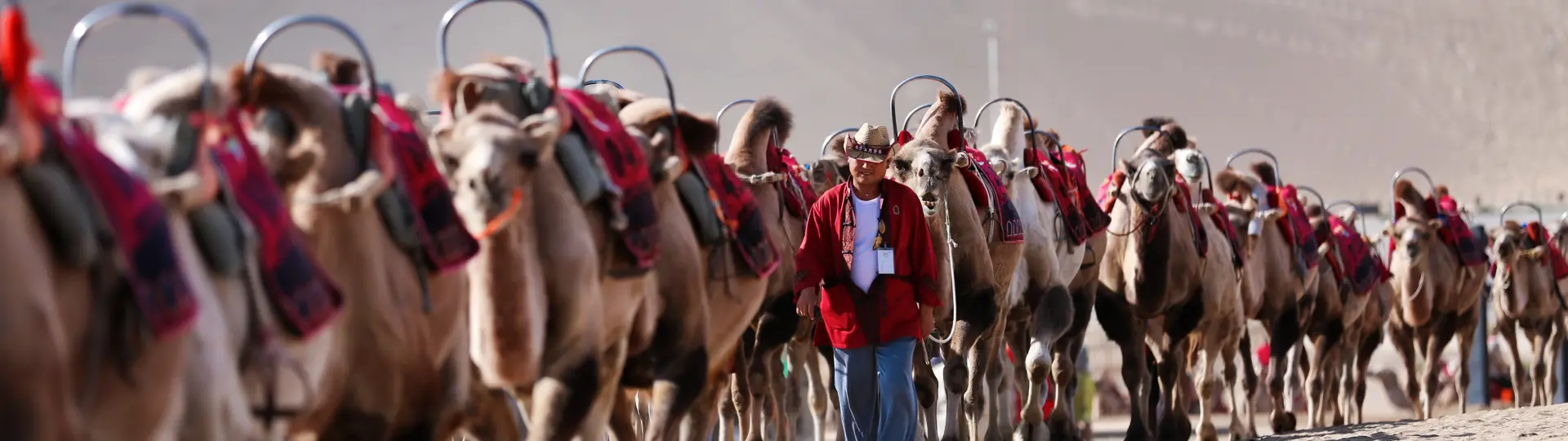
How to Plan a China Silk Road Trip – Essentials and Tips
The Silk Road is a world-famous ancient trading route with a history of more than 2,000 years. It stretches westward from the central China all the way to the eastern Mediterranean coast (today’s Rome). Today, it has become a popular tourist route in China with a great many historical sites, diverse natural landscapes and colorful ethnic customs and cultures.
Want to see these wonders for yourself? Here, we list a few useful tips including must-see attractions along the Silk Road, best visiting time, weather information and transportation tips to help you with your travel plans.
Quick Silk Road Facts
- In Chinese: 丝绸之路
- History: Established in the Western Han Dynasty, more than 2,000 years ago
- Total Length: More than 7,000km with over 4,000km in China
- Location: Start from Xi’an in China, pass through some Eurasian countries like Kazakhstan, Afghanistan, Greece and Italy, and reach the Mediterranean coast
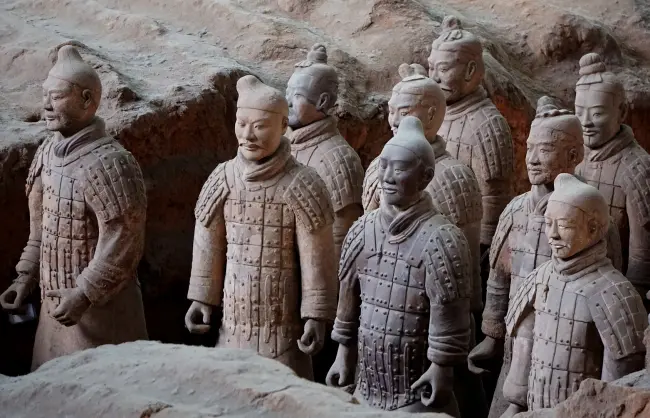
Popular Tourist Destinations Along China Silk Road
Taking a Silk Road trip feels like a journey through time, as it traverses some of the most famous historical cities in the northwest of China. Meanwhile, the route also traverses mountains, lakes and deserts, offering a wonderful chance for visitors to embrace the nature.
Xi’an
Xi’an, formerly called “Chang’an”, is one of the four major ancient civilization capitals in the world. 13 dynasties in Chinese history made Xi’an their capital, leaving the city rich cultural relics, including the world-renowned Terracotta Army, the 650-year-old City Wall, and the symbolic Big Wild Goose Pagoda.
As the starting point of the Silk Road, Xi’an witnessed the flourishing trade and prosperous cultural communication, especially during the Tang Dynasty (618-907) when the Silk Road entered its peak period. The Great Tang All Day Mall reproduces the bustling block of that time with various themed shows performed throughout the day.
Lanzhou
Lanzhou was once a vital transportation hub in the middle section of the Silk Road, with the Yellow River flowing through the city. Visitors can get the most epic views of the river from the iconic Zhongshan Bridge and the White Pagoda Hill.
For history buffs, Gansu Provincial Museum is a great place to go. It houses a large collection of precious articles, including the renowned “Bronze Galloping Horse Treading on a Flying Swallow”, telling the glorious past of the whole region and the ancient Silk Road.
Zhangye
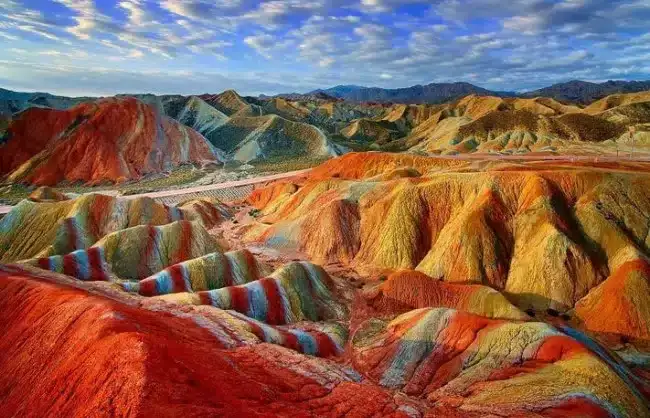
Zhangye, located at the choke point on the Silk Road, served as a significant place for military and commerce in old times. What makes Zhangye so famous around the world must be the bright-colored rainbow mountains in Zhangye Danxia Geopark.
Visitors can also enjoy grotto arts at Mati Temple and stop by the 900-year-old Giant Buddha Temple to admire a large reclining Buddha statue.
Jiayuguan
Jiayuguan was once the essential military post along the ancient Silk Road. It is home to the Jiayuguan Pass, which is the westernmost fort of the Great Wall of the Ming Dynasty. There are also less-renovated sections – the Overhanging Great Wall and the First Beacon Tower – revealing a totally different Great Wall views to visitors.
Dunhuang
Dunhuang, located at the western end of the Hexi Corridor, used to be the gateway to the western regions. Diverse cultures met here and the renowned Mogao Caves, where 2,400 Buddha statues and plenty of exquisite murals are well-kept, can be the best example of the prosperous cultural infusion in this former frontier town.
Besides, tourists can also take on an unforgettable desert expedition to enjoy the unique view of the Crescent Lake, which lies against the Echoing-Sand Mountain, admire the world’s largest Yardang landform, and explore old remains, such as Yumen Pass and Yangguan Pass, to trace Dunhuang’s splendid past.
Turpan
Turpan, in the heart of Eurasia, was a thriving trading center on the Northern Silk Road, renowned for its hot desert climate, ancient remains and sweet fruit. There are not only fiery-red Flaming Mountains, but also Grape Valley offering a refreshing feeling opposite to the summer heat.
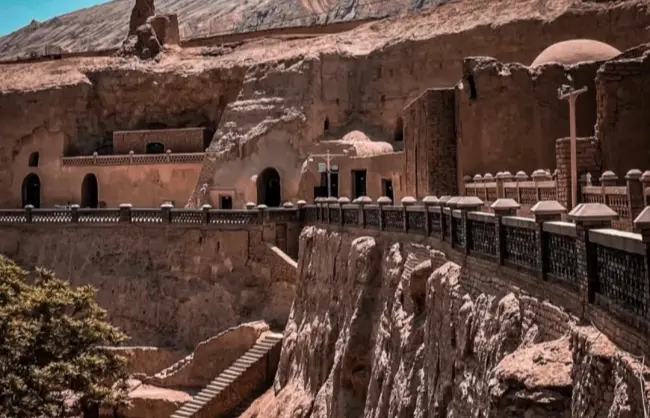
If you want to delve into the history of Turpan, ancient cities like Gaochang and Jiaohe will take you travel back to hundreds of years ago to trace their prosperous past.
Urumqi
Urumqi is well-known as the city that is the farthest from the ocean. As a major settlement for Uygur people, it is steeped in rich Islamic atmosphere and the Grand Bazaar, packed with fancy handicrafts, fabrics, dried fruits…, is the best destination for visitors to immerse in local ethnic culture.
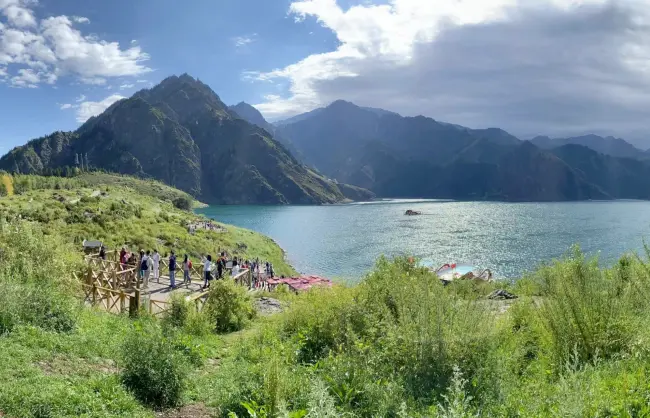
The superb plateau scenery is another big reason that attracts tourists from home and abroad. The azure Heavenly Lake together with the snow-caped Tianshan Mountains will make you feel like stepping into a pure land that can purify the soul.
Related reading: Top Reasons to Visit the Silk Road
How Long Does It Take to Travel the Silk Road in China?
The answer to this question depends on the number of cities and attractions you plan to visit during your Silk Road trip.
Generally, Silk Road itineraries, ranging from 10 to 14 days, are most popular among visitors. These durations are excellent for exploring top attractions in 6-9 destinations inside China.
Three weeks or longer Silk Road trips allow you to explore more destinations or enjoy a more immersive and in-depth experience.
It is also possible to have a China Silk Road trip if you are short on time. A 5 to 7-day trip will work well to cover the main attractions in 2 to 3 cities along this ancient route.
Best Time to Visit the Silk Road
The Chinese Silk Road starts from Xi’an in the east and extends all the way to the westmost of Xinjiang. This ancient trading route is not only filled with rich historical sites but also offers abundant natural wonders, like vast deserts, grasslands, stunning snow-capped mountains, and crystal-clear lakes.
The natural landscapes usually change in beauty with the seasons. Broadly speaking, the best time to visit the Silk Road is during the spring and autumn seasons, as the weather will be good for all types of outdoor activities.
The historical temples, grottoes, architecture, and relics are good to visit year-round, but we still recommend avoiding the harsh winters (with average temperatures dropping below 0 °C in most cities).
Spring of most Silk Road cities arrives relatively later than other regions, lasting from late April or May to early July, and will bring blooming flowers.
The autumn season usually lasts from late August to October, offering colorful foliage, especially in Northern Xinjiang.
Though the hot weather in July and August (with an average of around 30°C), it is a good time for lush grasslands and grapes, melons, and many other fruits. Temperatures in the early morning and late afternoon are still comfortable in these two months. Moreover, the arid climate in the northwest region will reduce the sense of stuffiness in hot summers. Thus, this period is also recommended for a Silk Road trip.
China Silk Road Transportation
Flights are the most convenient and fastest option to reach major cities, like Xi’an, Lanzhou, and Urumqi. To smaller cities, direct flights are usually limited.
However, after the introduction of the Lanzhou-Urumqi and Xi’an-Lanzhou High-speed Railways, traveling to Dunhuang, Zhangye, Jiayuguan, Hami, Turpan, etc. has become easier and more comfortable than ever. Taking a high-speed train also offers a great chance to immerse yourself into the scenic beauty along the way.
To reach attractions in the city area, most places offer well-developed bus or metro networks and reliable taxis for your convenient transportation. However, it’s important to note that many of the natural wonders and historical sites along the Silk Road are located far from urban areas, still requiring long driving hours on the road. For a more time-efficient and hassle-free journey, we recommend joining a guided Silk Road tour with all the logistics taken care of.
Accommodation Tips for Silk Road Travel
In major cities and popular destinations, like Xian, Luoyang, Lanzhou, Urumqi, and Dunhuang, accommodation options are usually abundant and diverse, ranging from star-rated and international chains to budget-friendly hotels and guesthouses. In remote and smaller cities, like Kashgar, Turpan, and Zhangye, the hotel standards may not be as high as in big cities. But there are still many hotels offering comfortable experiences.
4- or 5-star hotels will ensure more standard amenities and services, and offer Western-style breakfasts. Local featured guesthouses in Kashgar and Turpan, desert camping in Dunhuang, and Mongolian yurt near Zhangye Danxia Landform Park are also great options, offering more immersive natural and cultural experiences.
Some hotels may not be qualified to accept foreign visitors, so please verify with the hotel when booking.
What to Pack for a China Silk Road Tour
Considering the varying terrains, climates, and landscapes along the route, it is important to prepare well for a smooth journey.
- Essentials: Essential travel documents like passport and visa; some cash in case the limited signal in some remote areas.
- Essential gear: Rain gear, water bottle, hiking shoes, sunblock clothing, etc.
- Clothing: Pack clothing according to the season. For example, bring a windbreaker, jacket, shirt, and long pants in spring and autumn. Bring warm clothing even in summer due to the large temperature fluctuations between day and night.
- Personal care: High SPF sunscreen to protect against intense UV rays; lip balm and moisturizer due to the dry climate in the northwest regions; feminine hygiene products or razors, etc.
- Electronics: Charger, mobile phone, camera, power bank, and travel adapter.
- Snacks: Considering the long driving hours on the road to some attractions, it is necessary to prepare some snacks for quick energy boosts.
- Backpack: Bring a backpack to hold snacks, water, and other essential gear.